
How to Choose the Right Heating System for Your Home
Choosing the right heating system for your home’s comfort in South Carolina can feel overwhelming when you’re balancing mild winters, rising energy costs, and a mix of available technologies. You want a system that fits your home’s size, uses the right fuel source, stays efficient through the seasons, and won’t drain your budget with repairs or high energy bills.
By understanding how furnaces, boilers, and heat pumps differ, and hhow installation costs, maintenance needs, and long-term savings play into the decision, you can make a choice that keeps your home warm, efficient, and worry-free.
Choosing the Right Heating System in South Carolina
South Carolina sits in a warm, humid climate zone with mild to moderate winters. Even though cold snaps here aren’t as intense as those in northern states, heating still plays an important role in staying comfortable through late fall, winter, and early spring. Heating typically accounts for 35 to 50 percent of a home’s total annual energy use, making system choice a major financial decision. (Source: Center for Climate and Energy Solutions – Home Energy Use)
Even in our state, off-season stretches and shoulder seasons require reliable heating. A system chosen or installed improperly can lead to high bills, short cycling, uneven temperatures, and premature equipment failure. Homeowners choosing the best central heating system for their home in South Carolina should pay close attention to the factors below.
Home Size, Layout & Construction
Your home’s physical structure has a direct impact on the type of system that will perform best.
- Square footage & ceiling height affect how much heating power (BTUs) your home needs.
- Insulation quality in the attic, walls, and crawl spaces determines how well your home retains warmth.
- Ductwork or boiler piping may influence whether a furnace, boiler, or ductless mini-split system is a better fit.
- The number of floors, window count, and air leakage levels help determine load calculations.
- Attic and crawlspace conditions matter because poor insulation or leaky ducts can waste energy, even with modern heating systems.
This is why certified professionals use Manual J, Manual D, and Manual S calculations during installation, the only way to ensure accurate system sizing and long-term performance.
Fuel Type: Gas vs Electric vs Oil
South Carolina homeowners generally have three fuel options:
Natural Gas
- Pros: affordable, fast heat output, compatible with furnaces and boilers.
- Cons: requires gas lines, venting, and safety checks.
Electric
- Pros: easiest installation, no fuel deliveries, compatible with heat pumps and electric furnaces.
- Cons: operating costs can be higher depending on utility rates.
Oil
- Less common in South Carolina, but still used in older homes.
- Pros: powerful heat output.
- Cons: requires a storage tank, regular deliveries, and higher maintenance.
Your choice of fuel type influences operating costs and system lifespan. Energy-efficient heating systems rely on aligning your fuel source with your home’s usage pattern and long-term budget.
Energy Efficiency & Code Standards
Heating systems use different efficiency metrics:
- AFUE (Annual Fuel Utilization Efficiency) for furnaces and boilers. High-efficiency furnaces exceed 95% AFUE.
- HSPF (Heating Seasonal Performance Factor) and SEER ratings for heat pumps.
South Carolina’s Energy Code also sets minimum requirements for insulation, duct sealing, mechanical systems, and equipment efficiency. (Source: South Carolina Energy Code Status)
Choosing a higher-rated system often costs more upfront but results in major long-term savings, especially for homes with moderate winter usage.
Budgeting
Your budget for a new heating system for your home should include:
- Equipment cost.
- Labor and installation.
- Duct or piping upgrades.
- Mechanical permits and code compliance.
- Fuel delivery or conversion (if switching fuel types).
- Thermostat upgrades.
- Allowance for long-term maintenance.
Many homeowners spread costs with rebates or financing.
A professional consultation ensures hidden duct or airflow problems are identified before committing to new equipment.
Maintenance Requirements
Each system comes with its own service needs:
- Furnaces: annual tune-ups, filter changes, burner inspection, and ventilation checks.
- Boilers: water line checks, expansion tank inspection, flushing, safety valve testing.
- Heat pumps: refrigerant checks, coil cleaning, electrical testing, and airflow calibration.
Expected lifespan in South Carolina:
- Furnace: 15–20 years
- Heat Pump: 10–15 years
- Boiler: 15–25 years, depending on use
Quality installation and consistent maintenance extend these lifespans and reduce repair costs.
Best Heating Systems for Homes
South Carolina homeowners can choose from several modern heating systems for homes, each with unique benefits.
Furnaces (Gas, Electric, High-Efficiency Models)
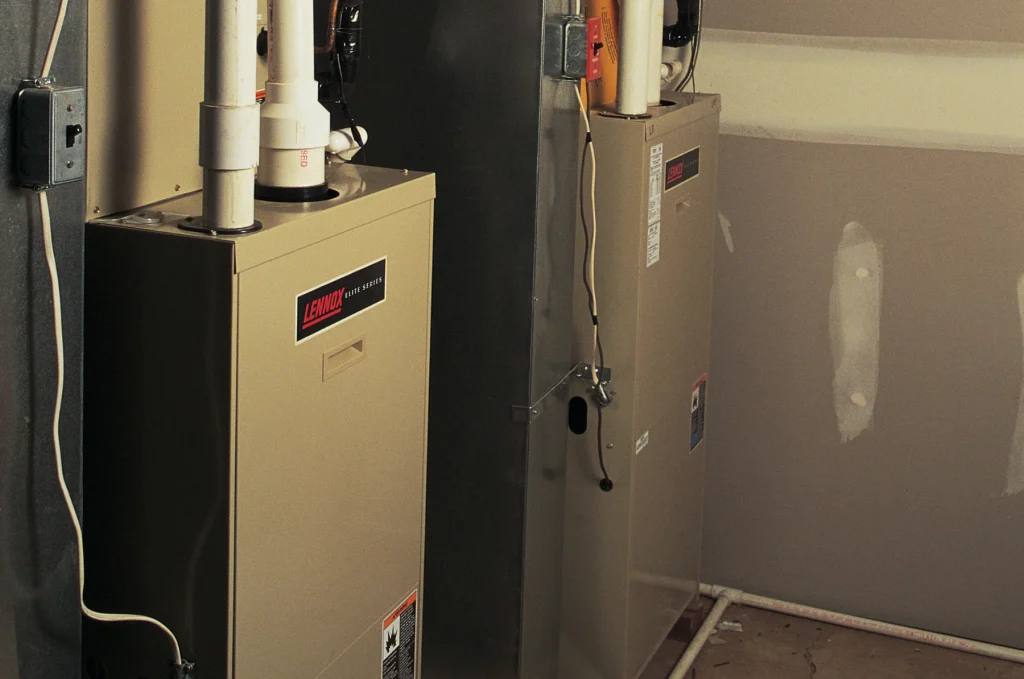
A furnace distributes heated air through ducts using a blower. Gas, electric, and oil furnaces vary in operating cost and heat output.
Pros:
- Fast warm-up.
- Ideal for homes with existing ductwork.
- Integrates well with central air conditioning.
Cons:
- Duct losses.
- Oversizing can cause short cycling.
- Older models under 80% AFUE are inefficient.
For many South Carolina homes, a high-efficiency gas furnace is a strong option, but only when properly sized for mild winter loads.
Boilers
Boilers heat water or steam and distribute warmth through radiators, baseboards, or radiant floors.
Pros:
- Consistent, even heat.
- No ductwork required.
- Excellent comfort in older homes.
Cons:
- Higher installation cost.
- Harder to integrate with AC.
- More capacity than needed in moderate climates.
Boilers are ideal for homes already equipped with hydronic systems or for remodels where ducts aren’t feasible.
Heat Pump Systems for Homes
Heat pumps transfer heat instead of generating it, making them one of the most efficient heating systems for homes.
Types of heating systems for homes include:
- Air-source.
- Ground-source (geothermal).
- Mini-split/ductless systems.
Pros:
- Excellent efficiency in moderate climates like South Carolina.
- Provides both heating and cooling.
- Ideal for homes without ducts, especially ductless heating systems for homes that use mini-split configurations.
Cons:
- Higher upfront equipment cost.
- May require supplemental heating during extreme cold.
Learn more about Spring Aire’s heat pump benefits.
Recommendation: For many SC homeowners, a high-efficiency heat pump is the most balanced choice for comfort, yearly cost savings, and modern convenience.
Why Professional Installation Matters?
Even the best heating system for home will underperform without proper installation. Studies show improper installation can reduce efficiency by up to 27%, leading to:
- Gas leaks.
- Carbon monoxide hazards.
- Early component failure.
- High energy bills.
- Voided manufacturer warranties.
South Carolina follows the SC Residential Building Code, requiring licensed HVAC professionals for installations involving gas lines, venting, ductwork, and mechanical permits.
Spring Aire often encounters misinstalled units that short-cycle, overheat, or run continuously due to airflow problems. Correct sizing using Manual J (load calculations), Manual D (duct design), and Manual S (equipment selection) ensures your system works safely and efficiently.
The Ultimate Comfort Upgrade: Precision Furnace Installation in SC
When you choose Spring Aire, you’re partnering with a team that’s spent more than forty years designing and installing heating systems built specifically for South Carolina homes and businesses.
Our certified technicians stay current with licensing requirements and ongoing training, bringing you safe, efficient installations backed by transparent pricing and a customer-first approach. We follow strict safety protocols, understand South Carolina’s building codes, and help you take advantage of rebate programs and climate-specific system options.
If you’re ready for reliable comfort and long-term performance, call us at (864) 439-1317 or schedule your appointment.
FAQs
What is the most efficient heating system for South Carolina homes?
A high-efficiency heat pump is usually the best option because it performs extremely well in moderate winter temperatures.
How do I know what size heating system I need?
A licensed HVAC contractor performs Manual J calculations to determine the correct system size based on your home’s structure.
Are electric furnaces expensive to run?
They can be, depending on electricity rates, but pairing them with a heat pump can reduce operating costs.
How long does a heating system for a home typically last?
Furnaces last 15–20 years, heat pumps 10–15 years, and boilers 15–25 years with good maintenance.
Should I replace my heater or repair it?
If the system is old, inefficient, or repeatedly failing, replacement often provides better long-term savings.
Error: Contact form not found.