
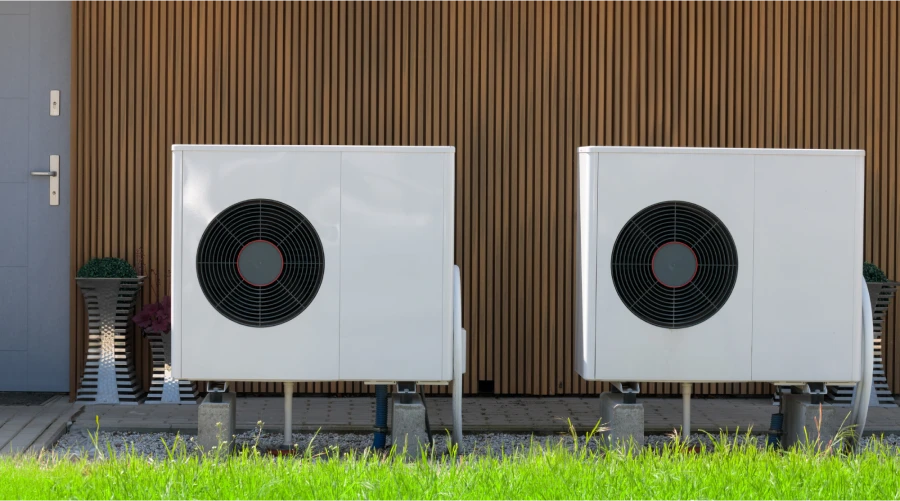
The Benefits of Installing a Modern Heat Pump in Your Home
In South Carolina, where winters stay mild and summers stretch long and humid, homeowners need equipment that keeps energy use low while delivering consistent comfort. Heat pump installation has become one of the smartest upgrades for that reason.
When our own team at Spring Aire Heating & Air Conditioning replaced a traditional heating system with a modern heat pump in a client’s home, we saw firsthand how much quieter, cleaner, and more efficient the entire home felt, and how quickly the benefits showed up on their utility bills.
Benefits of a Modern Heat Pump Installation
Modern heat pumps have come a long way over the last decade, offering advanced engineering, stronger reliability, and impressive efficiency in both heating and cooling modes. Based on the real-world installations our technicians complete across South Carolina, these are the benefits that homeowners appreciate most.
Dual Heating and Cooling Efficiency: Comfort All Year
A heat pump replaces both a furnace and an air conditioner. By using the refrigeration cycle, it moves heat instead of generating it, which allows it to provide warm air in winter and cool air in summer.
In South Carolina’s climate zone, where heat demand is moderate and cooling demand is high, this technology is especially well-matched to seasonal needs. According to ASHRAE performance standards, modern inverter-driven heat pumps deliver far more consistent airflow and temperature control than older single-stage systems.
Significant Energy Savings and Lower Utility Bills
Heat pumps don’t burn fuel or rely on high-resistance electric heat strips as their primary heating source. Because they transfer heat rather than generate it, they use less energy to produce the same comfort level. In South Carolina homes, this efficiency often translates into noticeable reductions in annual heating and cooling costs.
Homeowners switching from electric heat or older furnaces often see measurable improvements in utility usage in the first season, something we routinely observe during follow-up visits after installations.
Eco-Friendly Technology & a Lower Carbon Footprint
ENERGY STAR–certified heat pumps reduce greenhouse gas emissions by operating with higher seasonal efficiency ratings and using improved refrigerants. According to ENERGY STAR, advanced air-source heat pumps significantly reduce energy use and emissions compared to older systems. (Source: ENERGY STAR Heat Pump Fact Sheet)
Improved Comfort, Air Quality, and Humidity Control
Modern heat pumps feature:
- Variable-speed compressors.
- Smart thermostat integration.
- Enhanced coil and airflow design.
- Multi-stage humidity management.
These features help maintain even temperatures from room to room, prevent excessive indoor moisture, and reduce airborne particles. Improved filtration and continuous low-speed circulation also support healthier indoor air, a key benefit in humid regions.
Reliability and All-Season Performance (Even in Colder Periods)
Modern engineering has made heat pumps more reliable across temperature ranges. With features such as demand-defrost controls, enhanced outdoor coils, and inverter-driven compressors, homeowners get dependable performance even during the coldest winter mornings.
Increased Home Value and Resale Appeal (Expert Credibility)
Energy-efficient HVAC systems are an attractive selling point for buyers. Homes with modern heat pumps typically demonstrate:
- Higher efficiency ratings
- Lower operating costs
- Modern comfort technology
This often boosts both buyer interest and long-term property value.
Choosing the Right Type of Heat Pump and Cost Considerations
Not all heat pumps function the same way. The way heat pumps are installed in your home depends on your home size, ductwork condition, efficiency goals, and budget. We help South Carolina homeowners evaluate these factors during the heating installation process, drawing from decades of hands-on installation experience.
Air-Source Heat Pumps (ASHP)
Air-source systems extract heat from outdoor air in winter and release heat outdoors during summer. Modern ASHPs use inverter compressors, variable-speed blowers, and advanced coil designs to maximize efficiency and reduce noise. For most South Carolina homes, ASHPs offer the best combination of installation price, year-round comfort, and energy savings.
Ductless and Mini-Split (Ductless Heat Pump Installation)
When a home lacks ductwork or when ducts are aging, leaking, or poorly sized, a ductless heat pump system installation can be the smartest option. Indoor air handlers mount directly in living spaces and deliver precise, zoned comfort. Because ductless systems don’t lose conditioned air through duct leaks, they often operate more efficiently. Installation is usually less invasive than installing or rebuilding ductwork, though equipment costs per ton may be higher.
Geothermal Heat Pumps (Ground-Source Heat Pumps)
Geothermal heat pumps pull thermal energy from the earth’s stable underground temperature, offering some of the highest efficiency ratings available in the industry. They provide incredibly low operating costs but require substantial upfront investment due to ground loop installation. Soil conditions, available land, and overall project budget all determine whether geothermal is feasible for a retrofit project.
Heat Pump Installation Prices
Residential heat pump installation cost in South Carolina varies based on:
- System size and efficiency rating.
- Condition of existing ductwork.
- Smart thermostat upgrades.
- Labor and electrical requirements.
- Advanced airflow or zoning options.
From our own install history, a 2,200 sq. ft. home with existing ductwork recently saw a complete ASHP installation (SEER2 16, HSPF2 8.2) at about $9,500 before rebates. After applying available incentives, the homeowner paid roughly $7,200 out-of-pocket.
Spring Aire also helps many homeowners offset costs through available rebates:
- Federal tax credit: Up to $2,000 for qualifying high-efficiency heat pump installations.
(Source: South Carolina Heat Pump Incentives) - Utility rebates: Some South Carolina utilities offer $400–$500 toward ENERGY STAR-certified heat pumps.
(Source: Dominion Energy South Carolina HVAC Rebates)
To make upgrades more accessible, we offer convenient Wells Fargo financing options, helping homeowners spread out the investment while benefiting from lower monthly energy costs.
When rebates and utility savings are factored in, many homeowners see their heat pump system pay for itself in five to ten years, depending on usage patterns and energy rates. With rising energy costs, heat pumps continue to be one of the most cost-effective long-term home comfort upgrades available in South Carolina.
How to Install a Heat Pump?
Installing a heat pump involves far more than setting an outdoor unit on a pad. Proper installation requires:
- Accurate load calculations.
- Correct unit sizing.
- High-quality duct or line-set design.
- EPA-certified refrigerant handling.
- Electrical upgrades when required.
- Precision airflow balancing.
- Compliance with ICC and NEC code requirements.
We often see issues caused by DIY heat pump install or low-cost installs:
- Undersized or oversized equipment.
- Incorrect refrigerant charge.
- Poor airflow due to duct leaks.
- Lack of commissioning or static pressure testing.
- Code violations that void warranties or reduce efficiency.
One homeowner called us after attempting a DIY mini-split installation. The system short-cycled, airflow was weak, and energy bills barely changed. After our team redesigned the line-set, corrected the charge, and balanced airflow, heating efficiency improved by about 40%.
Professional installation ensures your system performs as the manufacturer intended, and qualifies you for rebates and long-term energy savings.
Get a Stress-Free Heat Pump Setup by Local Pros
Spring Aire Heating & Air Conditioning has served South Carolina homeowners for over 40 years, specializing in high-efficiency heating and cooling solutions designed for our climate. Our licensed, NATE-trained technicians install, repair, and maintain major heat pump brands, including ENERGY STAR-certified systems. Learn more about our service history and team.
We design custom systems for both homes and businesses, follow strict safety and code compliance, and prioritize honest recommendations and transparent pricing. When you’re ready for a dependable, energy-efficient upgrade, we’re here to help.
Call Spring Aire today at (864) 439-1317 or schedule a consultation online.
FAQs
How long does a modern heat pump last?
Most heat pumps last 12–15 years with proper maintenance.
Is a heat pump worth it for South Carolina’s climate?
Yes. The mild winters and long cooling season make heat pumps especially efficient here.
Can a heat pump work with my existing ductwork?
Often yes, but duct condition and sizing must be evaluated first.
What size heat pump do I need?
A licensed technician performs a Manual J load calculation to determine proper sizing.
Do heat pumps improve indoor air quality?
Modern systems offer better filtration, airflow, and humidity control compared to older HVAC units.
Error: Contact form not found.