
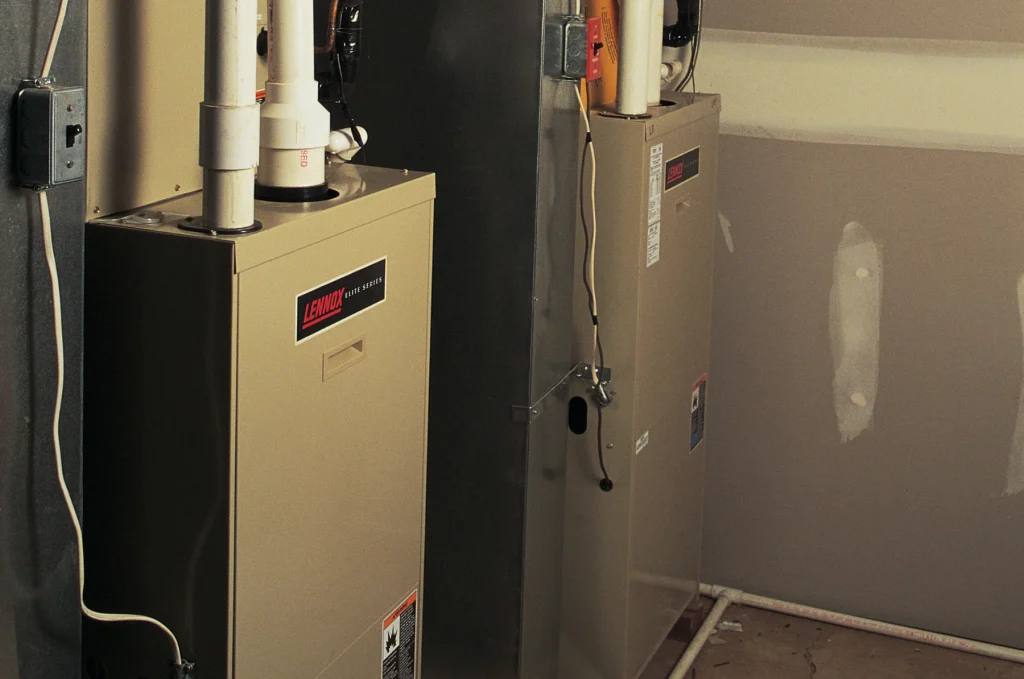
7 Warning Signs Your Heating System Needs Professional Repair
When homeowners ignore early heating system repair issues, the outcome is almost always the same: the system works harder, energy bills rise, and a small fix turns into an emergency call. One South Carolina homeowner recently learned this the hard way when a faint burning smell and uneven heat turned into a complete system shutdown during a cold snap.
A repair that could have cost a few hundred dollars became a multi-day emergency replacement. To help you avoid that scenario, here are the warning signs your heating system shows long before it fails, and when it’s time to call a trained Spring Aire technician.
When Do You Need Heating System Repair in South Carolina
Early detection is the single best way to avoid major breakdowns, prevent discomfort during winter, and reduce your overall heating repair costs. Small performance issues often hint at deeper mechanical or electrical problems. Fixing them early helps extend system lifespan and reduces the risk of interruptions during colder months.
In South Carolina, most households rely on heat pumps or electric heating systems due to the state’s mild winters and humidity, which makes heat pump system repair a critical part of keeping homes comfortable and efficient.
“According to the U.S. Energy Information Administration, space heating accounts for roughly 42% of household energy use nationwide, and in parts of South Carolina that rely heavily on electric heat, that percentage can be even higher.” (Source: EPA Renewable Space Heating)
Before you can fix or prevent issues, you need to understand the most common warning signs. Here are the heating problems South Carolina homeowners experience most often, and what they mean for your system.
Uneven Heating or Cold Spots
Uneven heating is one of the earliest signs your system is struggling. Cold bedrooms, warm living rooms, or temperature swings from one floor to another usually point to deeper issues, such as:
- Clogged ductwork restricting airflow.
- A failing blower motor.
- Refrigerant problems in heat pump systems.
- Miscalibrated thermostats are sending incorrect commands.
A well-tuned system should maintain consistent temperatures across your home. At Spring Aire, technicians measure airflow, static pressure, and temperature difference to pinpoint the root cause.
Strange Noises (Banging, Screeching, Rattling)
Some sounds during operation are normal, but loud banging, screeching, grinding, or rattling signals that something is failing internally. Common causes include:
- Cracked heat exchanger.
- Loose belts or components.
- Worn blower bearings.
- Failing motors.
A cracked heat exchanger is especially dangerous because it can allow carbon monoxide into the home. Any unusual noise should trigger a same-day professional inspection. DIY attempts risk missing a critical safety hazard.
Rising Heating Bills
A sudden spike in your power bill is often the first sign your heating system is losing efficiency. Poor airflow, dirty components, refrigerant problems, or improper installation can force the system to run longer and consume 20–40% more energy.
Short Cycling
Short cycling, when your system turns on and off repeatedly, puts heavy strain on compressors, blower motors, or gas burners. Common causes include:
- Restricted airflow.
- Faulty thermostat or sensor.
- Oversized equipment (refers to ACCA Manual S sizing guidance).
Short cycling drives up energy use and wears components out far faster.
In many cases, a simple correction such as filter replacement or sensor recalibration resolves the problem. Spring Aire frequently finds that airflow measurements and electronic diagnostic tools make it easy to pinpoint the cause quickly.
Reduced Airflow from Vents
Weak airflow means the heated air isn’t reaching your living spaces effectively. The U.S. Department of Energy notes that restricted airflow is a major cause of efficiency losses in residential HVAC systems.
Typical culprits include:
- Blower motor failure.
- Duct obstructions.
- Motor capacitor issues.
- Fan wheel buildup.
Spring Aire technicians use CFM airflow readings and pressure diagnostics to identify where airflow is being lost, whether inside the equipment or within the duct system.
Burning Smells or Musty Odors
Some light dust burning off at the start of the season is normal. However:
- Electrical smells may indicate overheated wires or motor failure.
- Burning odors may point to a failing blower motor or damaged components.
- Musty odors often mean mold or microbial buildup inside ducts or evaporator coils.
The EPA warns that unmanaged moisture and biological growth can impact indoor air quality and aggravate respiratory issues. In South Carolina’s humid climate, this issue is especially common
If you smell anything unusual, turn off the system and call a professional immediately. Do not continue running the heater until it has been inspected.
System Running but No Heat
If your system is operating but producing no warm air, the issue may be:
- A failed ignition or heating element.
- Low refrigerant levels (in heat pumps).
- Obstructed gas supply.
- Safety switches prevent unsafe operation.
South Carolina building codes require safety controls to shut down equipment when a dangerous fault is detected. A trained technician is needed to reset or repair these systems safely.
A past Spring Aire call involved replacing a faulty sensor, preventing what could have become a full system failure. Catching these problems early often saves thousands compared with major equipment replacement.
Why You Can’t Delay Heating System Repair
Ignoring early warning signs may seem harmless, but the consequences add up quickly: financially, mechanically, and even in terms of safety. Here’s why prompt action matters:
- Higher Heating System Repair Cost Later: What starts as a simple $150–300 repair can snowball into a $1,200–3,500 breakdown when failing parts strain other components or trigger system-wide failures.
- Energy Waste: According to the DOE, inefficient systems can waste up to 30% more energy. With South Carolina’s high seasonal electric rates, that waste shows up almost immediately in your monthly bill.
- Shortened System Lifespan: Neglected systems typically fail 5–8 years earlier, which forces homeowners into premature, high-cost replacements that could have been avoided with timely service.
- Safety Hazards: Delayed repairs increase the risk of electrical failures, overheating parts, fire risks, and even carbon monoxide leaks in fuel-burning systems. These aren’t just mechanical issues; they’re household safety concerns.
- Damage to Heat Pumps: Since heat pumps are South Carolina’s most common heating system, delays hit harder. Running a malfunctioning heat pump can damage reversing valves, coils, compressors, and critical sensors, leading to far more expensive repairs.
- SC Climate Considerations: Winter cold snaps routinely drive up emergency HVAC calls. A small issue that’s ignored in November can turn into a no-heat emergency during peak demand, when you may be forced to wait for emergency heating system repair because technicians are booked solid.
Treat heating issues as urgent, not optional. And if you’re dealing with a sudden failure, reach out for professional and expert heating services immediately to prevent further damage and restore safe operation.
The “Fix-It-Right” Guarantee: SC Heating Repairs That Last
Spring Aire brings years of hands-on field experience, certified technicians, and South Carolina–licensed HVAC experts trained in heat pumps, furnaces, ducted systems, mini-splits, and commercial heating equipment. Our team understands the unique challenges of South Carolina homes, from coastal humidity to aging ductwork and heat-pump-dominant neighborhoods. You can learn more about our service history and awards on our About page.
We diagnose issues using advanced tools such as infrared thermography, airflow metering, and combustion analysis to deliver accurate, lasting repairs. When upgrades are needed, we help homeowners choose energy-saving systems such as high-SEER heat pumps, high-AFUE furnaces, duct sealing improvements, and smart thermostats.
Most importantly, our customer-first approach is backed by real reviews praising our honesty, responsiveness, and skilled workmanship.
If you need fast, reliable, professional heating systems repair, contact Spring Aire today at (864) 439-1317 or schedule a consultation.
FAQs
How do I know if my heating system needs repair?
If you notice uneven temperatures, higher bills, strange noises, or reduced airflow, you likely need service.
Is it safe to run my heater if it smells strange?
No, electrical or burning smells require immediate shutdown and professional inspection.
Why does my heat pump run constantly in winter?
It may be struggling with airflow, refrigerant issues, or failing components.
How much does home heating system repair usually cost?
Minor repairs range from diagnostic fixes to larger component replacements; delaying issues increases the total cost.
Can a thermostat cause heating problems?
Yes, faulty sensors or calibration issues often lead to short cycling or no-heat situations.
Error: Contact form not found.