
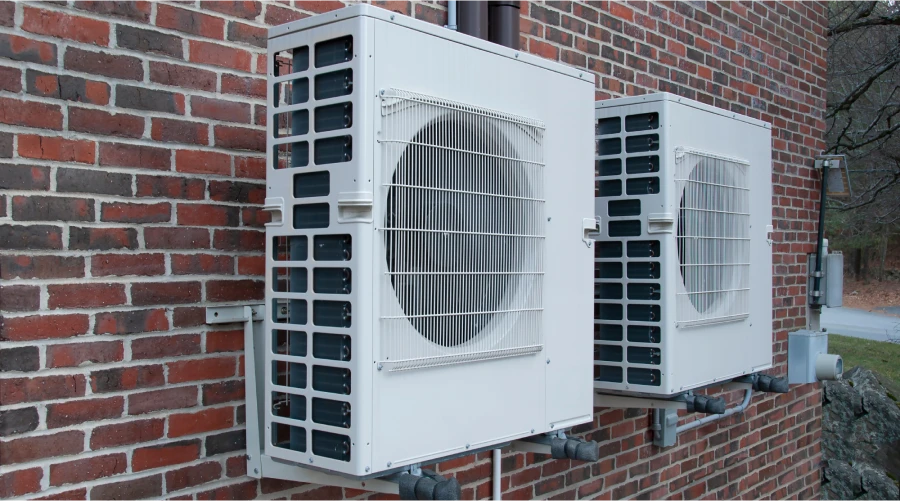
How Professional Heating System Installation Improves Home Comfort
When winter arrives in South Carolina, the quality of your heating system installation determines more than warmth. It shapes comfort, safety, energy use, and long-term reliability.
After more than forty years of installing heating systems across the state, our team at Spring Aire has seen homeowners lose up to 30 percent of the system’s efficiency due to poor installation alone. That kind of loss affects your energy bills, your comfort, and your system’s lifespan. When you choose trained professionals, you help protect your home from those problems and get the reliable warmth you expect all winter.
Professional Heating System Installation: Why Expertise Matters
A professionally installed heating system does more than turn on and heat the home. It performs the way the manufacturer engineered it to. When professional heating system installers follow South Carolina building codes and ACCA standards, your system reaches its intended capacity, runs efficiently, and delivers consistent comfort throughout the home.
Performance
Every heating system is designed to deliver a specific heating capacity. When installation is rushed or handled by an unlicensed installer, that capacity drops. We routinely diagnose heat pumps and electric heating setups that appear new but underperform because of an improper refrigerant charge, uncalibrated airflow, poor duct sizing, or incorrect wiring. Even a small deviation from manufacturer specifications can lead to noisy operation, weak airflow, or short cycling.
Efficiency
The U.S. Department of Energy notes that incorrect installation can slash a system’s efficiency by 20 to 30 percent. That loss shows up as higher monthly bills and shorter equipment lifespan. Our service history confirms the same trend. Many homeowners assume the equipment is the problem when the real issue is installation quality.
Indoor Comfort
A properly installed system does more than heat the air; it distributes warmth evenly.
Professional installers verify:
- Correct CFM airflow.
- Balanced supply and return paths.
- Proper static pressure.
- Correct thermostat placement.
- Tight refrigerant charge for heat pump system installation.
These details prevent hot-and-cold spots, reduce noise, and maintain stable temperatures.
Proper System Sizing Impacts Efficiency and Heating Comfort
South Carolina code requires HVAC contractors to use ACCA Manual J (load calculation), Manual S (equipment selection), and Manual D (duct design) for every heating system install. These standardsdetermine how the system must be sized and configured.
Oversizing Problems: Oversized units short cycle, which leads to:
- Loud and frequent starts.
- Uneven temperatures.
- Higher energy bills.
- Faster component wear.
Undersizing Problems: When a heat pump or furnace is undersized, it struggles to reach the set temperature. This results in:
- Long run times.
- Higher utility costs.
- Reduced equipment life.
South Carolina Climate Considerations
Heat pumps in the Southeast must be sized for humid subtropical winters, which differ significantly from those in colder states where heat pumps rely more heavily on auxiliary heat. Oversizing or undersizing is a common issue among non-licensed installers.
In our experience, 40% of the heat pump issues we diagnose come from incorrect sizing, often due to contractors skipping Manual J load calculations.
Ductwork Design: The Hidden Factor for Performance
Homeowners often think the equipment determines comfort, but ductwork is a primary factor of an efficient heating system. Poorly designed or leaking ducts can waste 20–30 percent of heated air before it reaches your rooms. (Source: National Renewable Energy Laboratory)
Homes in Greenville, Spartanburg, Columbia, and Charleston often have:
- Aging metal ducts in crawl spaces.
- Uninsulated or partially insulated duct runs.
- Air leaks at joints and boots.
- Imbalanced supply and return sides.
All of these reduce heating comfort and create enormous efficiency losses.
Spring Aire’s Ductwork Best Practices
Our licensed installers use:
- ACCA Manual D calculations.
- Static pressure testing.
- Sealed and insulated ductwork.
- Load-based zoning configuration.
A recent example involved an Upstate homeowner who was experiencing cold rooms at the far end of the house. After a full duct redesign and sealing, they experienced 34 percent better warmth distribution, improving comfort without replacing their equipment.
Thermostat Placement Matters More Than People Realize
A thermostat measures the air around it, not the entire home. If it’s installed in a poor location, the entire system runs incorrectly.
Common thermostat mistakes include placement near:
- Near windows or on exterior walls.
- Above supply vents.
- In kitchens.
- In direct sunlight.
These mistakes can cause:
- 5–10 percent higher energy use.
- Erratic heating cycles.
- Rooms that never feel warm enough.
When installing or upgrading thermostats, including smart models, we ensure:
- Placement on an interior wall.
- Distance from heat sources and drafts.
- Wiring and voltage compatibility.
- Integration with zoning systems.
The Risks of DIY Heating System Installation
Heating systems involve electrical, refrigerant, and combustion components that require licensed professional expertise.
Safety Risks
- Gas leaks.
- Carbon monoxide exposure.
- Electrical hazards.
- Fire risks.
Performance and Warranty Risks
- Manufacturer warranties often require licensed installation.
- Incorrect duct sizing can lead to dangerously high static pressure.
- Improper refrigerant charging causes compressor failure.
Legal Requirements
South Carolina law requires licensed HVAC professionals for major heating installations.
One of our senior technicians shared a common scenario: a homeowner attempted a DIY heat pump fix, miswired the contactor, and caused a compressor failure. The repair cost exceeded what a proper installation would have cost from the start.
Heating System Installation Cost: What Homeowners Should Expect
Cost varies based on system type, efficiency rating, ductwork needs, and home layout. Below are common ranges in South Carolina, based on DOE, HomeAdvisor, and regional averages.
Typical Installation Costs
- Central heating system installation cost: $6,000–$14,000+
- Cost to install a heat pump system: $5,500–$12,500, depending on SEER2/HSPF
- Ductless heating system installation: $3,000–$8,000 per zone
Factors affecting costs:
- Tonnage and BTU size.
- Duct modifications.
- Thermostat upgrades.
- Electrical or breaker panel upgrades.
- Smart home integration.
South Carolina Incentives
- Duke Energy Progress rebates for high-efficiency heat pumps.
- Santee Cooper rebates for ENERGY STAR systems.
- Federal 25C tax credit program: 30% of install cost, up to $2,000 for qualifying heat pumps.
What to Expect from a Professional Heating System Installation Service
When you hire certified heating system installers, you can expect a structured, code-compliant process:
- Home inspection and Manual J heat load calculation.
- Ductwork pressure testing and airflow evaluation.
- Equipment selection based on load requirements and SC climate.
- Code-compliant installation of electrical, refrigerant, and mechanical components.
- System calibration (superheat/subcooling for heat pumps).
- Thermostat setup, wiring, and customer training.
We pair this with a customer-first approach, clear communication, and education about maintenance and operating costs to keep your system running reliably.
Call the SC’s Trusted and Certified Heating System Installers
Spring Aire Heating & Air Conditioning has served South Carolina for more than 40 years as a locally trusted heating system installation company, providing licensed, insured, and highly trained professional HVAC service. Our certified technicians understand local climate demands, energy codes, and the safety standards required for reliable heating system installation.
We specialize in:
- Custom heating system design for SC homes.
- High-efficiency heat pump and central heating installations.
- Smart thermostat and comfort upgrades.
- Duct sealing and airflow improvements.
- Maintenance plans that extend system lifespan.
Learn more about our service history and awards on our About Us page.
If you want reliable comfort, lower energy costs, and long-term heating performance, call us at (864) 439-1317 or schedule your appointment.
FAQs
How long does a professional heating system installation take?
Most installations take one day, but ductwork modifications or electrical upgrades may require additional time.
Does proper installation really affect energy bills?
Yes, incorrect installation can reduce efficiency by 20–30 percent, leading to higher monthly heating costs.
Is DIY heating installation allowed in South Carolina?
Major HVAC installations require a licensed professional under SC state regulations.
What type of system is best for South Carolina’s climate?
High-efficiency heat pumps perform best in our mild winters and humid conditions.
How often should a professionally installed system be maintained?
We recommend annual maintenance to keep efficiency high and prevent unexpected breakdowns.
Error: Contact form not found.