
Indoor Air Quality Services in Duncan, SC That Create a Healthier Home Environment
In Duncan, comfort is not only the temperature on your thermostat, it is also the air you breathe every day. Because we run heating and cooling almost year-round in the upstate, indoor air issues can build up fast during humid summers and high-pollen springs. At Spring Aire Heating and Air Conditioning, we help homeowners connect indoor comfort with cleaner air. Below is a practical guide to common local concerns and indoor air quality improvements that support a healthier home.
Why Should You Improve Indoor Air Quality in Duncan?
Duncan sits in a humid subtropical region where moisture, pollen, and everyday indoor pollutants can linger longer than you think. If your home is newer and well-sealed, that efficiency can also trap contaminants indoors, including moisture from cooking, showers, and even normal breathing.
A big local factor is radon. Spartanburg County is commonly categorized as an EPA Zone 2 radon potential area (Source: SWAT Environmental). The EPA emphasizes that radon is odorless and invisible, so the only way to know your level is to test. (Source: US EPA) Zone 2 areas have a predicted average indoor radon range of 2 to 4 pCi/L. See the EPA radon zones map. The EPA estimates the average indoor radon level is about 1.3 pCi/L, and it recommends fixing your home at 4 pCi/L or higher.
Finally, Duncan’s proximity to I-85 and the broader upstate industrial footprint can contribute to outdoor pollutants that migrate indoors. Add seasonal allergens from pine, oak, and hickory, and it is easier to see why improving indoor air quality supports comfort, health, and HVAC performance. When your system can support it, higher-efficiency options such as MERV 13 and up can help capture smaller particles.
Top Indoor Air Quality Solutions in Duncan
Once you know what you are dealing with, the next step is choosing solutions that address particles, gases, and moisture without overworking your HVAC system. The best approach is usually layered, starting with filtration and airflow fundamentals, then adding targeted purification or humidity control based on what your home needs.
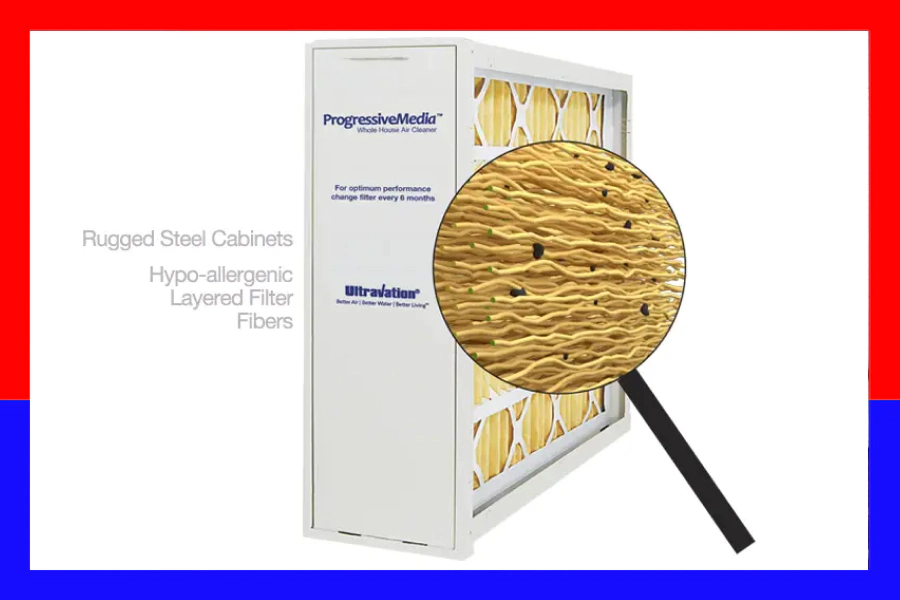
High-efficiency HVAC air filtration systems: Your HVAC filter is the front line for capturing dust, pollen, and other airborne particles. Filters are rated by MERV. Higher MERV ratings can capture smaller particles, but overly restrictive filters can reduce airflow if the system is not designed for them. A practical starting point is a quality pleated filter changed on schedule, plus an airflow check if you upgrade to a higher MERV option.
Advanced air purification services for particles and gases: Filtration helps with particulates, but it does not always address odors or VOCs from paints, cleaners, and new materials. Activated carbon can help reduce many gaseous pollutants. Other options may be appropriate depending on your duct design, moisture conditions, and the specific contaminants you want to target.
Humidity control for healthier air and comfort: In the Upstate, humidity is often the deciding factor for comfort and mold risk. The EPA notes that keeping indoor relative humidity between about 30% and 60% helps control mold (Source: US EPA). Whole-home dehumidifiers can integrate with your HVAC system for consistent control, while standalone units can help in specific problem areas.
Enhanced ventilation to improve air exchange and IAQ: Replacing stale air with fresh air can reduce indoor pollutant buildup. In some homes, controlled mechanical ventilation or an ERV helps bring in fresh air while managing moisture and limiting energy loss.
Duct care, maintenance, and professional tune-ups: Leaky ducts can pull dusty air from attics or crawlspaces, then distribute it through your home. A professional inspection can identify duct leakage, insulation gaps, and airflow issues. Regular tune-ups support airflow, filtration performance, and lower system strain.
Advanced Air Purification and Filtration Solutions for Healthier Living
If you are ready to go beyond basic filter swaps, a whole-home strategy typically starts with a system assessment: filter fit, airflow, static pressure, duct condition, and humidity trends. From there, we can recommend a combination of whole-home air cleaners, carbon filtration for odors and VOCs, and humidity control that matches your equipment and your goals. Learn more about Spring Aire’s indoor air quality services here.
Benefits of Clean Home Air in Duncan
Cleaner air is not only about comfort in the moment. It is about reducing triggers and keeping your HVAC system running the way it should.
- Reduced allergy and asthma symptoms: Better filtration and air cleaning can lower airborne pollen and dust in a region where seasonal allergens are a constant.
- Better sleep quality: Stable humidity and fewer irritants can help reduce nighttime congestion and dry-throat discomfort.
- Enhanced comfort year-round: Proper humidity control can make summer cooling feel more effective without overcooling the home.
- Lower HVAC energy use and utility bills: When airflow is optimized and coils and blowers are clean, systems can run more efficiently.
- Extended HVAC equipment life: Reducing dust buildup and moisture-related strain can help protect motors, coils, and controls.
Schedule Expert IAQ Testing and Improvement Services
Spring Aire Heating and Air Conditioning provides indoor air quality solutions alongside full residential HVAC services and commercial HVAC services. If you are dealing with humidity swings, allergy triggers, odors, or uneven airflow, our team can assess your system and recommend practical upgrades that fit your home and budget. Call (864) 439-1317 or schedule online to get started.
FAQs
What are the most common indoor air pollutants found in homes in Duncan, SC?
In Duncan-area homes, the most common issues include seasonal pollen, dust and dander, excess humidity that can support mold, and VOCs from household products and renovations. Radon can also be a concern, which is why testing is recommended.
How do I know if I need professional indoor air quality services?
Frequent allergy symptoms indoors, musty odors, visible dust buildup, humidity that will not stay in check, and rooms that feel stale or stuffy are common signs. A professional assessment can separate a filtration issue from a ventilation, humidity, or duct performance issue.
What is included in a professional indoor air quality inspection?
A thorough visit typically includes checking filter fit and system airflow, evaluating humidity and condensate control, inspecting duct condition and leakage, and reviewing how the HVAC system cycles and ventilates.
What indoor air quality solutions are most effective for humid climates like Duncan, SC?
Humidity control, duct performance, and right-sized filtration are usually the best starting points. In many homes, a whole-home dehumidifier, duct sealing, and upgraded filtration provide the biggest improvement, with purification added when odors or VOCs are a concern.
How can improving indoor air quality increase HVAC efficiency and overall home value?
Cleaner coils, better airflow, and stable humidity reduce system strain and can lower energy use. Homes with documented improvements like upgraded filtration, controlled humidity, and well-maintained duct systems often appeal to buyers looking for comfort and reliability.
Error: Contact form not found.